The Rise of Sustainable Palm Oil
Over the last 15 years, initiatives, governments, and organisations such as the Roundtable on Sustainable Palm Oil (RSPO) have transformed the global palm oil industry.
Today, there are established standards and certification schemes for sustainability and traceability throughout the supply chain. Palm oil can be a truly sustainable choice.
Astrid Duque, Managing Director of DAABON UK, a global leader in sustainable palm oil said:
“For feed companies, organic dairy farmers and food producers in the UK who want to reap the benefits of palm oil while ensuring their supply chain isn’t contributing towards deforestation, sourcing from a sustainable, accredited source is the answer.”
Certified Sustainable Palm – Exploring the Supply Chains
Certified sustainable is palm oil produced to standards set out by one or more different bodies, such as the RSPO, Rainforest Alliance, POIG, ISCC, ISPO, MSPO and others. In the UK, the RSPO is one of the most popular and recognised standards.
The words ‘certified sustainable palm oil’ covers a few different supply chain models, including:
• Mass Balance – sustainable palm oil mixed with non-certified palm oil (with the quantity of
sustainable oil sold as certified sustainable)
• Segregated – sustainable palm oil from different sources
• Identity Preserved – sustainable palm oil, fully traceable from a single certified source.
Of these, Identity Preserved (IP) is the highest standard of sustainability, allowing full traceability from the soil to the market.
Identity Preserved – The Gold Standard in Sustainable Palm
“Sustainable sourcing requires a responsible approach – actively looking to ensure that the ingredients sourced are truly sustainable. This means understanding and trusting in your supply chain. For palm oil, buying Identity Preserved provides on the best solution.”
Says Judith Murdoch – EFECA.
Identity Preserved palm kernel expeller offers traceability right back to the plantation, delivering benefits to farmers, feed producers and dairies in terms of provenance, control, and peace of mind.
“Purchasing IP palm oil provides full visibility and accountability – buyers know exactly what they are getting, where it comes from and how it was produced. It enables buyers to vet their supply chains, and ensure that the methods, ethics and sustainability credentials fit with their own.”
Andy King Barrington Farm Somerset
Astrid Duque of DAABON UK, explains what this means in practice:
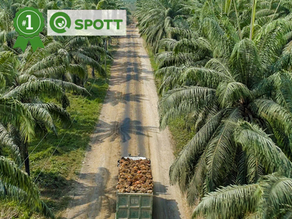
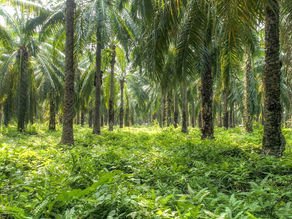
“At DAABON, all the palm oil we produce is organic, identity preserved certified sustainable. Our palm operation is net zero, deforestation free, and supports more than 500 family smallholders across Northern Colombia. We hold certification with global bodies including the RSPO, Rainforest Alliance and POIG, and we’re consistently rated as a top producer by SPOTT, which tracks the transparency of sustainability programmes. Farmers and feed producers in the UK can buy from us in the confidence they are getting a truly sustainable solution.”